
HVAC Industry Growth in India: Challenges, Training Gaps, and Global Learnings
Introduction: HVAC Industry Growth in India
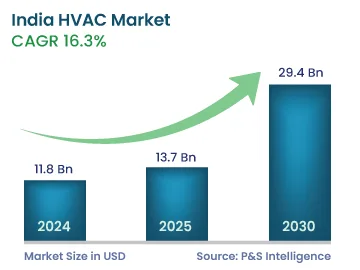
India’s HVAC (Heating, Ventilation, and Air Conditioning) industry is witnessing rapid growth, driven by:
-
Urbanization
-
Infrastructure development
-
Rising commercial & residential construction
-
Increasing demand for energy-efficient cooling solutions
From commercial office buildings, hospitals, hotels, data centers, malls, to high-end residential projects, HVAC systems have become a critical part of modern infrastructure.
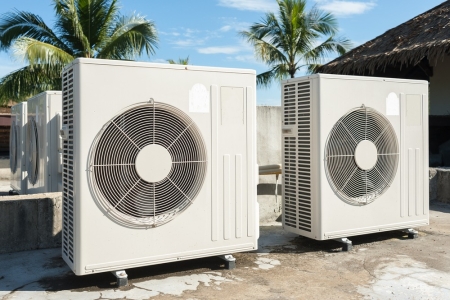
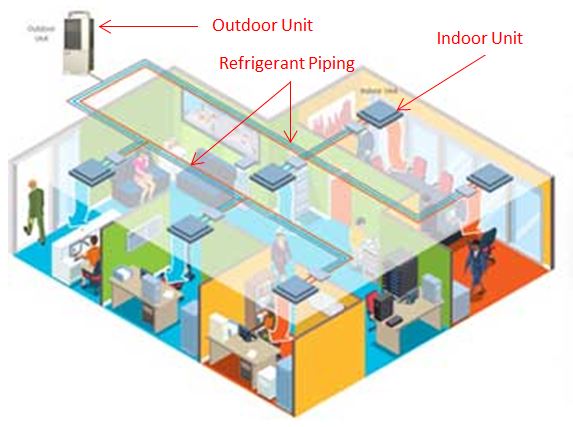
Regions like North India—including Delhi, Gurugram, Noida, Greater Noida, Faridabad, Ghaziabad, Sonipat, Panipat, Chandigarh, Jaipur, Dehradun, Jammu, and surrounding cities—are seeing a sharp rise in demand for VRF/VRV systems, chillers, and centralized air conditioning.
However, despite this strong growth, the Indian HVAC industry faces serious challenges related to skills, quality, training, and standardization.
Key Challenges in the Indian HVAC Industry

1. Skilled Manpower Shortage
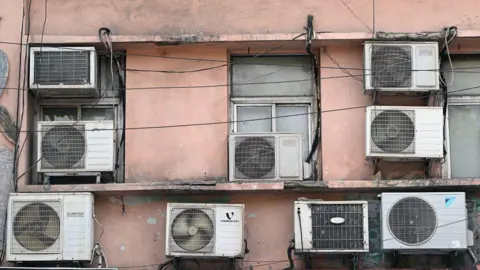
One of the biggest challenges in India is the lack of trained HVAC technicians and engineers.
-
Limited expertise in VRF/VRV systems, heat recovery, BMS integration
-
Heavy reliance on untrained or semi-skilled labor
-
Learning happens on-site, often through trial and error
2. Cost-Driven Decision Making
Many projects prioritize:
-
Lowest quotation
-
Cheaper materials
-
Short-term savings
This often results in:
-
Undersized systems
-
Poor comfort levels
-
High energy consumption
-
Frequent breakdowns
3. Improper HVAC Design & Engineering
-
Heat load calculations are skipped or copied
-
Incorrect pipe sizing & insulation thickness
-
Lack of airflow and duct design expertise
This leads to inefficient systems and dissatisfied clients.
4. Highly Unorganized Market
India still has a large number of unorganized HVAC contractors with:
-
No documentation
-
No commissioning reports
-
No standard operating procedures
Clients often struggle to identify professional HVAC companies from inexperienced vendors.
Training & Resource Gaps in India’s HVAC Sector

1. Limited Structured Training Programs
-
ITIs and polytechnics teach outdated HVAC syllabus
-
Modern systems like VRF, inverter technology, smart controls are barely covered
-
Very few industry-recognized certifications exist
2. OEM-Dependent Knowledge
-
Training is largely controlled by OEMs
-
Knowledge remains product-specific
-
Installers depend on OEM site support instead of developing internal expertise
3. Lack of Tools & Testing Equipment
Advanced tools such as:
-
Digital vacuum gauges
-
Leak detectors
-
Nitrogen pressure testing kits
are expensive and often skipped by small contractors, compromising system reliability.
Regulatory & Quality Challenges in India



1. Weak Enforcement of Standards
Although guidelines exist (ECBC, ISHRAE), enforcement is weak:
-
No mandatory commissioning reports
-
No penalties for poor workmanship
-
No licensing system for HVAC professionals
2. Low Awareness of Energy Efficiency
Many clients are unaware of:
-
Life-cycle cost benefits
-
Energy-efficient HVAC design
-
Preventive maintenance importance
As a result, efficient HVAC systems are seen as optional rather than essential.
Technology & Sustainability Challenges
1. Slow Adoption of Smart HVAC
-
Limited use of IoT, automation, and smart controls
-
Resistance from traditional installers
-
Lack of trained professionals to manage advanced systems
2. Refrigerant Transition Issues
-
Shift from R22 to R32 / R410A
-
Safety concerns
-
Inadequate training for new refrigerants
-
Improper tools leading to leakage and inefficiency
What India Can Learn from Dubai & Global Markets

Dubai / Middle East
-
Mandatory technician certification
-
Strict testing & commissioning procedures
-
Strong focus on district cooling and energy efficiency
-
Authority approvals before system handover
Key Learnings for India:
-
Licensing system for HVAC professionals
-
Mandatory commissioning documentation
-
Accountability for contractors
Singapore & Japan
-
Continuous professional development
-
Strong green building regulations
-
Precision-based installation culture
-
Long-term performance focus over upfront cost
Way Forward: The Need for Organized HVAC Companies
The future of HVAC in India lies in:
-
Skilled manpower development
-
Proper system design & engineering
-
Standardized installation practices
-
Energy-efficient and sustainable solutions
Professional HVAC companies like Climco HVAC are playing a crucial role in transforming the industry by:
-
Offering expert HVAC design & execution
-
Delivering projects across North India
-
Following global best practices
-
Focusing on quality, efficiency, and long-term performance
With growing demand in cities like Delhi NCR, Gurugram, Noida, Faridabad, Ghaziabad, Sonipat, Panipat, Chandigarh, Jaipur, Dehradun, Jammu, and beyond, the need for organized, professional HVAC partners has never been greater.
Conclusion
India’s HVAC industry is growing rapidly, but growth without quality and skill development is unsustainable. By learning from global markets like Dubai and investing in training, standards, and technology, India can build a world-class HVAC ecosystem.
For businesses and developers, choosing the right HVAC partner can make the difference between short-term savings and long-term success.
Looking for the right HVAC solution for your project?
Get in touch with Climco HVAC for expert HVAC design, installation, and support across North India.